


This comprehensive guide breaks down the most common Different types of dating styles you will encounter. By learning these distinct relationship frameworks, you will uncover actionable strategies to set healthy boundaries, communicate your needs effectively, and build a lasting, meaningful romantic connection.
Navigating romance feels overwhelming today. Understanding the various types-of-dating clarifies your goals, helps you avoid heartbreak, and empowers you to find a truly compatible partner faster.
Decoding the Modern Relationship Landscape
Entering the dating scene without a clear map often leads to confusion and unmatched expectations. Because human connection constantly evolves, the types-of-dating available to us have expanded dramatically. You no longer have to follow a rigid, traditional script to find love or companionship. Instead, you can choose a dynamic format that fits your current lifestyle, emotional availability, and long-term goals.
By exploring the different types-of-dating, you empower yourself to communicate your intentions clearly. When two people understand exactly what type of dynamic they are building, they eliminate the friction caused by unspoken assumptions. Let us explore the most prominent types-of-dating you will encounter and how to navigate them successfully.
Casual Dating
Casual dating represents one of the most popular types-of-dating for individuals seeking connection without the pressure of a serious commitment. In this dynamic, two people spend time together, enjoy each other’s company, and often share physical intimacy, but they do not promise exclusivity or a long-term future.
This format works exceptionally well for people focusing on their careers, recovering from a recent breakup, or simply wanting to explore different personalities. However, casual dating requires immense emotional maturity. You must communicate your lack of serious intent early on to prevent the other person from developing mismatched expectations.
Pros of Casual Dating:
- High flexibility and personal freedom
- Low emotional pressure and minimal obligations
- Opportunity to learn what traits you value in a partner
Cons of Casual Dating:
- Potential for one person to develop unreciprocated feelings
- Lack of deep, reliable emotional support
- Surface-level interactions can sometimes feel unfulfilling
Exclusive Dating
Exclusive dating acts as the bridge between casual encounters and a committed relationship. Among the various types-of-dating, this stage is crucial. It means both individuals have agreed to stop seeing, swiping, or pursuing other romantic interests. You are focusing solely on each other to determine if you possess long-term compatibility.
During this phase, you integrate more deeply into each other’s lives. You might meet friends, share deeper vulnerabilities, and discuss future goals. Practicing excellent communication skills in dating becomes paramount here. You must address important topics like finances, family values, and career ambitions to ensure your paths align.
Actionable Insight: Do not assume exclusivity. You must have a direct, spoken conversation to confirm that you are both operating under the same exclusive framework.
Online Dating and App-Based Romance
Technology has revolutionized the types-of-dating we participate in. Online dating is no longer a niche concept; it is the primary way modern couples meet. According to research by the Pew Research Center, a massive percentage of adults use dating apps to find partners.
Online dating allows you to filter potential matches by specific criteria, ranging from religious beliefs to lifestyle habits. This approach broadens your dating pool exponentially. However, navigating the digital landscape requires strategy. You must craft an authentic profile, practice safety precautions, and transition from digital chatting to an in-person meeting efficiently to avoid endless text exchanges.
Pro Tip: To succeed in this arena, review our online dating profile tips. Use recent photos, write a bio that showcases your personality, and ask engaging questions to spark meaningful conversations.
Speed Dating
Speed dating offers a highly structured, time-efficient approach to meeting multiple people in a single evening. Participants rotate through short, timed conversations (usually lasting between three to five minutes) with different potential matches. At the end of the event, you indicate who you would like to see again. If the interest is mutual, the organizers provide your contact information.
This format eliminates the prolonged uncertainty of online messaging. You immediately gauge physical chemistry, body language, and conversational flow. Speed dating is one of the most effective types-of-dating for busy professionals who prefer face-to-face interaction over endless swiping.
Blind Dating
A blind date occurs when two people meet romantically without having previously seen or interacted with each other. Usually, a mutual friend, family member, or professional matchmaker arranges the meeting. While blind dates can feel intimidating, they remain one of the most exciting types-of-dating because they rely entirely on the element of surprise.
When you go on a blind date, you abandon preconceived notions based on social media profiles. You evaluate the person entirely on their presence, humor, and character in the moment. To succeed on a blind date, keep the activity low-pressure, such as meeting for a quick coffee or a walk in the park.
Group Dating
Group dating involves a group of single men and women going out together to enjoy a shared activity. This format severely reduces the awkwardness and intense pressure often associated with one-on-one dates. In a group setting, conversation flows more naturally, and you can observe how a potential partner interacts with others.
This is one of the best types-of-dating for teenagers, young adults, or anyone feeling anxious about returning to the dating scene. It provides a safety net; if you do not click with someone romantically, you can still enjoy a fun social outing with friends.
Comparison Table of types-of-dating
To help you determine which dynamic suits your current lifestyle, review this structured comparison of the core types-of-dating:
|
Dating Style |
Commitment Level |
Primary Goal |
Best Suited For |
|---|---|---|---|
|
Casual Dating |
Low |
Fun, exploration, physical intimacy |
Busy individuals, those exploring options |
|
Exclusive Dating |
Medium to High |
Assessing long-term compatibility |
People seeking a serious relationship |
|
Online Dating |
Variable |
Expanding the dating pool |
Tech-savvy singles wanting specific filters |
|
Speed Dating |
Low |
Rapid face-to-face screening |
Time-poor professionals |
|
Group Dating |
Very Low |
Socializing with low pressure |
Anxious daters, young adults |
|
Blind Dating |
Low |
Meeting vetted matches |
Those trusting friends’ recommendations |
Expert Insights on Modern Romance

To navigate the diverse types-of-dating successfully, you must approach romance with intention and psychological awareness. Relationship experts from the Gottman Institute suggest that successful dating relies heavily on emotional attunement and mutual respect, regardless of the dating format you choose.
Set Clear Intentions
Before you engage in any types-of-dating, sit down and evaluate what you actually want. Are you looking for a fun summer fling, or are you searching for a lifelong spouse? Knowing your end goal prevents you from wasting time on incompatible matches. When you know what you want, you project confidence, which naturally attracts healthier partners.
Understand Attachment Styles
Your attachment style dictates how you behave in romantic scenarios. According to resources from Psychology Today, individuals generally fall into secure, anxious, or avoidant attachment categories. By identifying your style, you can better understand your triggers and reactions within different types-of-dating. Secure individuals navigate dating easily, while anxious or avoidant individuals might need to work actively on building trust and maintaining healthy boundaries.
Establish modern relationship boundaries
Boundaries keep you safe and ensure your emotional needs are met. You must learn to communicate your limits early on. If you are participating in casual types-of-dating, a boundary might involve limiting contact to weekends. If you are exclusively dating, a boundary might involve complete transparency about your daily schedules. Never compromise your core values just to keep a partner interested.
Common Mistakes to Avoid in types-of-dating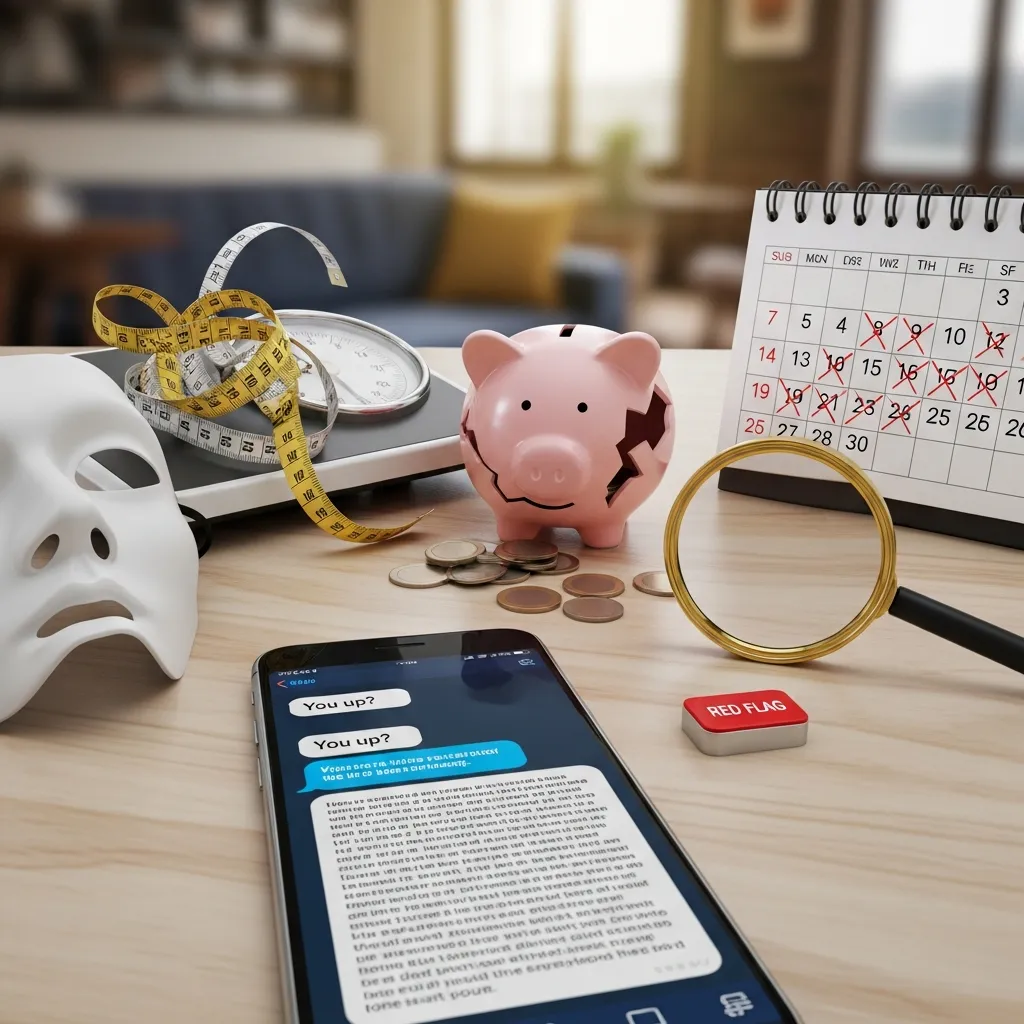
Even the most experienced individuals stumble when participating in various types-of-dating. By recognizing these frequent pitfalls, you can protect your peace of mind and foster healthier connections.
Mistake 1: Faking Your Personality
Many people alter their interests, opinions, or communication styles to impress a date. This strategy always backfires. If you build a connection based on a fabricated persona, the relationship will crumble once your true self emerges. Authenticity acts as a natural filter, repelling incompatible people and attracting those who appreciate the real you.
Mistake 2: Ignoring Red Flags
When we experience strong physical chemistry, we often ignore blatant red flags. Poor communication, disrespecting service workers, and inconsistency are major warning signs. Regardless of the types-of-dating you engage in, you must remain objective. Do not make excuses for bad behavior. If someone shows you who they are, believe them the first time.
Mistake 3: Moving Too Fast
New relationship energy creates a potent biological high. It causes people to overshare, spend every waking moment together, and abandon their independent lives. This rapid acceleration usually leads to burnout. You must pace yourself. Maintain your hobbies, nurture your friendships, and allow the relationship to develop organically over time.
Mistake 4: Avoiding Difficult Conversations
Many daters avoid discussing their true intentions because they fear scaring the other person away. If you want a serious commitment but pretend to be okay with casual types-of-dating, you will end up feeling resentval and unvalued. Speak your truth respectfully and confidently. The right person will appreciate your honesty.
Cultivating Emotional Resilience
Exploring different types-of-dating requires thick skin. Rejection is a natural, unavoidable component of the romantic journey. You will go on dates where the conversation stalls, the chemistry falls flat, or the other person abruptly loses interest. You must reframe how you view rejection.
Rejection is not a reflection of your worth; it is simply a sign of incompatibility. Every failed date brings you one step closer to understanding exactly what you need in a partner. When you approach the types-of-dating with curiosity rather than a desperate need for validation, the entire process becomes significantly more enjoyable.
Practice self-care meticulously. Take breaks from dating apps when you feel overwhelmed. Engage in physical exercise, pursue creative passions, and lean on your support system. A fulfilled, happy single person makes the most attractive partner.
Conclusion
Mastering the various types-of-dating empowers you to make intentional romantic choices. Whether you seek a casual connection or a lifelong commitment, having absolute clarity is your best asset. Start applying these expert insights today, confidently redefine your relationship goals, and subscribe to our newsletter for more proven dating strategies!
FAQs
What are the most common types-of-dating available today?
The most frequent types-of-dating include casual dating, exclusive dating, online app dating, speed dating, blind dating, and group dating. Each offers distinct advantages depending on your commitment readiness and lifestyle.
How do I know which of the types-of-dating is right for me?
Evaluate your current emotional capacity and life goals. If you lack time and emotional bandwidth, casual types-of-dating work best. If you desire a family and long-term stability, focus entirely on exclusive dating and intentional matchmaking.
Is online dating considered safe?
Online dating is generally safe if you take proper precautions. Always meet in well-lit public places for the first few dates, inform a friend of your location, and avoid sharing highly sensitive personal or financial information early on.
How long should casual dating last before becoming exclusive?
There is no universal timeline. Some couples transition from casual to exclusive within a few weeks, while others take several months. The key is transparent communication; you must ask the other person where they stand when you feel ready to progress.
What is the difference between dating and being in a relationship?
Dating implies you are still evaluating the person and potentially seeing other people. Being in a relationship means you have mutually agreed upon exclusivity, commitment, and a shared future trajectory.
How can I succeed at speed dating?
To thrive in speed types-of-dating, prepare a few engaging, open-ended questions beforehand. Maintain good posture, make steady eye contact, and focus on leaving a positive, memorable impression rather than reciting your entire life story.
Why is it important to define the relationship?
Defining the relationship eliminates anxiety and confusion. It ensures both parties share the exact same expectations regarding fidelity, emotional support, and future goals, preventing painful misunderstandings down the road.
Can casual types-of-dating turn into serious relationships?
Yes, many serious relationships begin casually. As two people spend more time together, emotional bonds often deepen naturally. However, you should never enter a casual dynamic expecting to change the other person’s mind.
What should I talk about on a blind date?
Keep the conversation light and positive. Discuss hobbies, travel experiences, favorite books, or pop culture. Avoid heavy topics like past traumas, ex-partners, or intense political debates until you have established a solid rapport.
How do I politely end a dating dynamic that is not working?
Be direct, kind, and brief. Use “I” statements, such as, “I have really enjoyed our time together, but I do not feel the romantic connection I am looking for.” Avoid ghosting, as it causes unnecessary emotional distress.
